

Do you know what is in your skincare?
Have you ever wondered how Japanese skincare has become one of the fastest-growing segments in the global beauty industry?
J-Beauty’s success isn’t driven by short-lived trends or viral marketing campaigns. Instead, Japanese skincare has built its reputation on consistent, long-term results achieved through thoughtfully formulated products made with carefully selected ingredients. Rather than relying on dozens of active ingredients or harsh treatments, many Japanese skincare brands focus on simple, effective formulas that strengthen the skin barrier and support healthy skin over time.
This philosophy has helped make J-Beauty one of the most trusted skincare categories worldwide. Whether consumers are searching for the best Japanese skincare, a deeply hydrating Japanese moisturizer, or gentle products suitable for sensitive skin, Japanese brands continue to expand their loyal followings by focusing on quality and innovation.
At J-Beauty Wholesale, we supply our customers with over 50 of the leading Japanese beauty brands. To help retailers better understand why these products have become so popular, we’ve compiled a guide that discusses the most common ingredients found in Japanese skincare and how they maintain their relevance for generations.
Rice Bran (Komenuka):
Sake brewers and rice millers are known for their legendary soft hands. Historically, Geisha used rice bran water for bathing and applied it as a natural cleanser and skin softener. Those observations helped establish rice bran as one of the earliest ingredients used in traditional Japanese skincare.
The nutritious outer layer and germ of a rice grain are removed during the milling process. This layer is packed with vitamins, antioxidants, essential fatty acids, and amino acids, which all benefit the skin. Rice bran contains over 100 vitamins and minerals, including Vitamin E and Gamma Oryzanol, both of which help protect skin cells from oxidative stress caused by environmental pollution.
Rice bran acts as both a gentle exfoliant and natural moisturizer. Its fine particles help remove dead skin cells without causing excess irritation, while its nourishing oils help lock moisture into the skin barrier. This combination leaves skin feeling smoother, softer, and more hydrated.
Research shows that rice-derived ingredients are found to be anti-aging, anti-inflammatory, moisturizing, photoprotective, and skin-brightening. Rice bran ash extract has been found to stimulate melanin synthesis while offering protection against certain forms of radiation-induced skin damage. Studies indicate that rice bran is well-suited for sensitive skin.
Because rice is such an important part of Japanese culture, it is no surprise that the skincare benefits of rice have been recognized and refined over centuries. This helps explain why rice bran has remained a staple ingredient in some of the best Japanese skincare products available today.

Green Tea (Matcha):
Green tea is rich in polyphenols, plant compounds that protect fruits and vegetables from the sun's ultraviolet radiation. This powerful antioxidant offers your skin the same benefits and helps protect it from other environmental stressors. Polyphenols can also even out skin tone by stopping tyrosinase from overproducing melanin.
In addition to its antioxidant properties, green tea is valued for its anti-inflammatory effects, which make it an excellent ingredient for people with redness or irritation. EGCG is a potent antioxidant found in green tea, which helps calm redness and soothe inflamed skin. It also helps reduce itching and heat sensations associated with rosacea and psoriasis. Another benefit of EGCG is its ability to manage excess oil by blocking the enzyme that triggers oil production in your skin. With less oil and bacteria present, pores stay clear and are less likely to become clogged and develop blemishes.
Green tea helps slow down the overactivity of enzymes that break down collagen, causing wrinkles, and leaves your skin more elastic and youthful. This balance between oil control and hydration explains why green tea has remained a cornerstone in Japanese skincare for centuries.

Hyaluronic Acid:
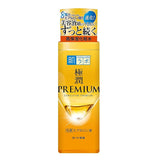
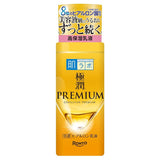
One of the most recognizable ingredients in modern Japanese skincare is hyaluronic acid. This naturally occurring molecule acts like a sponge by attracting and retaining water, helping keep skin plump and hydrated, and reducing the appearance of fine lines. Many Japanese brands utilize multiple molecular weights of hyaluronic acid so hydration reaches different layers of the skin. A great example is Hada Labo Premium Lotion, which is well known for incorporating several forms of hyaluronic acid into one formula to provide long-lasting hydration without feeling greasy.
Because hyaluronic acid naturally occurs in the body, it is generally tolerated by all skin types and has very minimal side effects, and allergic reactions are rare. This lightweight approach to moisturization makes products like Hada Labo especially appealing to consumers with oily, combination, or sensitive skin who still need deep hydration.

Ceramides:
Ceramides naturally make up 50% of your skin's outer layer. Think of your skin cells as bricks and ceramides as the mortar that holds everything together. Without enough ceramides, moisture escapes more easily, leaving skin dry, irritated, and more vulnerable to environmental damage.
Japanese Skincare has long recognized the importance of repairing and maintaining the skin's barrier rather than masking dryness. Products such as Curél Intensive Moisture Cream are specifically formulated with biomimetic ceramide technology designed to replenish moisture while strengthening the skin barrier.
By focusing on skin barrier health, products formulated with ceramides are the perfect solution for consumers searching for a high-quality Japanese moisturizer. Many consumers choose ceramide-rich products over heavier creams that simply sit on the surface of the skin, because they want deeper hydration.

Fermented ingredients:
When scientists studied brewery workers in Akita in the 1970s, and they discovered that the enzymes and byproducts of koji and yeast possess anti-aging properties. During the fermentation process, beneficial microorganisms break larger compounds into smaller, highly potent molecules that are easily absorbed into the skin.
The transformation supports skin cell renewal and repairs the skin barrier. Fermentation works on the cellular level to stabilize collagen mRNA and promote the synthesis of new structural proteins.
Major beauty houses, including Shiseido and SK-II, were the first companies to introduce fermented ingredients into the modern skincare market. SK-II developed the ingredient PITERA™ (a type of fermented yeast that is associated with sake). This ingredient is packed with amino acids, vitamins, and minerals designed to deeply hydrate, brighten, and repair the skin barrier.
Although fermentation has become increasingly popular worldwide, Japanese beauty brands have spent decades refining this technology, combining traditional brewing knowledge with modern cosmetic research.
Why these ingredients matter to retailers:
Understanding the ingredients in Japanese skincare helps retailers better educate their customers and meet their needs. Consumers today are increasingly ingredient-conscious and often value simple, high-quality formulations when making purchasing decisions.
Stocking products that feature well-known ingredients such as rice bran, ceramides, hyaluronic acid, green tea, and fermented extracts allows retailers to offer products backed by both tradition and scientific research.
Final thoughts:
Japanese skincare has earned its global reputation by combining centuries of traditional beauty knowledge with modern scientific innovation. From nutrient-rich rice bran and antioxidant-packed green tea to hydrating hyaluronic acid, barrier-supporting ceramides, and advanced fermented ingredients, each component serves a clear purpose in promoting healthier skin.
As demand for authentic J-Beauty products continues to grow, retailers have an opportunity to differentiate their business by offering trusted Japanese brands that prioritize quality, gentle formulations, and long-term skin health. By understanding the ingredients behind these products, businesses can better educate customers and confidently bring some of the best Japanese skincare products to their shelves.