

How to Choose the Right Japanese Beauty Supplier: A Retailer’s Guide to J-Beauty
The global beauty industry is one of the largest and most competitive consumer markets in the world. Global beauty retail sales skincare, haircare, colour cosmetics and fragrance reached $441 billion in 2024 and are forecast to grow around 5% annually to $590 billion by 2030.¹ One sector continuing to attract international attention is J-Beauty.
Known for its emphasis on quality, clean formulas, and long-term skin benefits, J-Beauty has developed a strong reputation among customers worldwide. It offers a wide selection of products ranging from everyday drugstore favorites to premium products used in professional salons.
For retailers, entering the J-Beauty market involves more than simply finding popular products. The supplier you choose can have a significant impact on your product quality, margins, inventory availability, and ability to consistently serve your customers.
If you are considering adding Japanese cosmetics to your retail business, here are the most important factors to consider when choosing a Japanese beauty supplier.
Why Japanese Beauty?
Japan is home to some of the world's most established beauty companies and brands. From major manufacturers to smaller specialty brands, Japanese beauty offers retailers a broad selection of products across different price points.
The Japanese government has also been paying close attention to the sector. In December 2025, Japan's Ministry of Economy, Trade and Industry convened a study group on strengthening the competitiveness of the cosmetics industry.² Through 2026, the group examined how to rebuild exports which have fallen from roughly ¥0.8 trillion before the pandemic to around ¥0.5 trillion and considered whether "J-Beauty" should serve as the collective designation for Japanese brands abroad, including whether quality standards should be attached to it.
For retailers outside Japan, this creates an opportunity to introduce products with an established reputation while also giving customers something different from the brands already available in their local market.
What Should You Look for in a Japanese Beauty Supplier?
One of the most important decisions a retailer makes when entering the Japanese beauty market is choosing the right supplier. When choosing a Japanese beauty supplier, consider the following three factors:
1) Product Authenticity
Authenticity should be one of your first considerations.
When purchasing Japanese cosmetics internationally, retailers should be able to verify where their products come from and whether they are sourced through legitimate distribution channels.
Working with an established supplier can help reduce the risk of receiving counterfeit, unauthorized, expired, or improperly stored products.
Ask potential suppliers questions such as
- Where are the products sourced?
- Are products purchased directly from manufacturers or authorized distributors
- How is inventory stored?
- Can the supplier provide information about product origin and expiration dates
- Does the supplier have experience exporting to your country?
A reliable supplier should be transparent about its sourcing and distribution process.
2) Wholesale pricing
Pricing is another major consideration.
Retailers need to purchase products at a price that allows them to remain competitive while maintaining a healthy profit margin. However, the lowest wholesale price is not necessarily the best deal.
Consider the total cost of purchasing inventory, including:
- Wholesale product price
- Shipping costs
- Customs and import expenses
- Minimum order requirements
- Payment fees
- Potential storage costs
A supplier offering slightly higher product prices may ultimately provide better value if they offer reliable inventory, efficient shipping, and lower logistical costs.
3) Minimum Order Quantities
Minimum order quantity, commonly referred to as MOQ, is particularly important for smaller retailers.
Some wholesalers require businesses to purchase large quantities of individual products or place substantial minimum orders. While this may work for large retailers, it can create unnecessary risk for smaller businesses testing a new product category.
Before placing an order, determine whether the supplier's MOQ fits your business.
A flexible MOQ can allow retailers to test products, identify customer preferences, and gradually increase their orders based on demand.

Brand Selection Matters
Another important factor is the supplier's overall brand selection. J-Beauty is not a single product category. It encompasses skincare, haircare, makeup, sun care, body care, and professional beauty products. Different customers have different needs, so retailers can benefit from working with a supplier that offers a diverse product portfolio.
For example, a retailer specializing in skincare may be interested in products focused on hydration, sensitive skin, cleansing, or sun protection. A salon or head spa may instead be interested in professional haircare products.
A broad selection allows retailers to build a product assortment around their specific customers rather than being limited to whatever products a supplier happens to carry.
Look for a supplier that offers a combination of established brands and products that align with your target market.
Choose the Right Japanese Beauty Products for Your Customers
Finding popular products is only part of the process; retailers need to understand which products their customers actually want.
To better understand which products are right for your customers, you could ask yourself the following questions:
- Are my customers interested in skincare, haircare, or makeup?
- What price range are they comfortable with?
- What problems are my customers trying to solve?
- What products have already successfully entered your market?
Popular Japanese Brands to Consider
Japan is home to hundreds of beauty brands, giving retailers a wide range of products to consider.
Some well-known Japanese beauty brands include
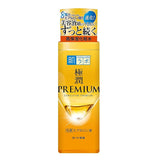
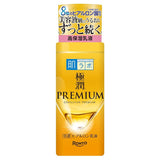
- Hada Labo, known for its focus on hydration and products featuring hyaluronic acid.
- Curél, a skincare brand particularly associated with products designed for dry and sensitive skin.
- DHC, known internationally for skincare products, including its cleansing oils.
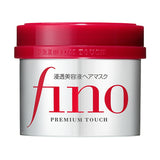
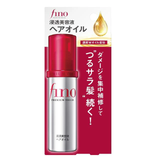
- Fino – A popular Japanese haircare brand known for its Premium Touch Hair Mask.
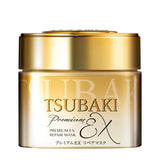
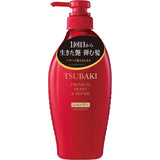
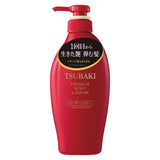
- TSUBAKI, a Japanese haircare brand associated with camellia oil and hair repair.
- Kao, one of Japan's major consumer goods companies, with multiple beauty and personal care brands.
- Shiseido, one of Japan's most internationally recognized beauty companies, with a broad portfolio spanning skincare, makeup, and fragrance.
However, retailers should not limit their sourcing strategy to the most internationally recognized names. One of the advantages of working with a specialized Japanese beauty wholesaler is the ability to discover brands and products that may not yet have significant distribution in your market. This can give retailers the opportunity to differentiate their assortment from competitors.

Why Work With J-Beauty Wholesale?
For retailers looking to enter or expand within the J-Beauty market, the right wholesale partner can simplify the entire sourcing process.
Unlike other distributors, at J-Beauty Wholesale we pick, inspect, and pack all of our products in our warehouse in Osaka, Japan. We don't rely on third-country fulfillment centers. We have a low MOQ of 1 case per SKU, making it more accessible for small businesses to partner with us. We also provide customers with a certificate of origin upon request to help ensure the authenticity of all the products we supply.
Instead of managing relationships with dozens of individual brands, retailers can work with one supplier for multiple products. This can make purchasing, inventory management, and international shipping more efficient. A specialized distributor can also provide access to products that may be difficult for international retailers to source independently. At J-Beauty Wholesale, retailers can access a wide selection of Japanese beauty products from Japan, making it easier to source products for international markets.
If you are looking for a reliable source for Japanese cosmetics, skincare, and haircare products, J-Beauty Wholesale can help you discover products from Japan and build an assortment tailored to your business.
¹ McKinsey & Company / The Business of Fashion, The State of Fashion: Beauty, June 2025
² 経済産業省「化粧品産業競争力強化検討会」(METI, Study Group on Strengthening the Competitiveness of the Cosmetics Industry)